Lake Michigan Boating Safety Tips
Table of Contents
- Understand the Unique Power of Lake Michigan
- Track Local Weather Forecasts Closely
- Recognize the Impact of Great Lakes Chop
- Equipping Your Boat for Safety Success
- Carry Certified Life Jackets for Everyone
- Maintain a Complete Safety Toolkit
- Essential On-Water Navigation and Etiquette
- Practice Constant Situational Awareness
- Manage Your Speed Based on Conditions
- Prepare Your Vessel Professionally Before Launching
- Conduct a Pre-Departure Mechanical Checklist
- Plan for Long-Term Storage and Care
- Lake Michigan Boating Safety FAQs
- What should I do if my boat gets caught in rough water on Lake Michigan?
- Do I need a specific type of boat to go out on Lake Michigan?
- Where can I get my boat safety gear inspected near Charlevoix?
- Ready to Explore the Great Lakes with Confidence?
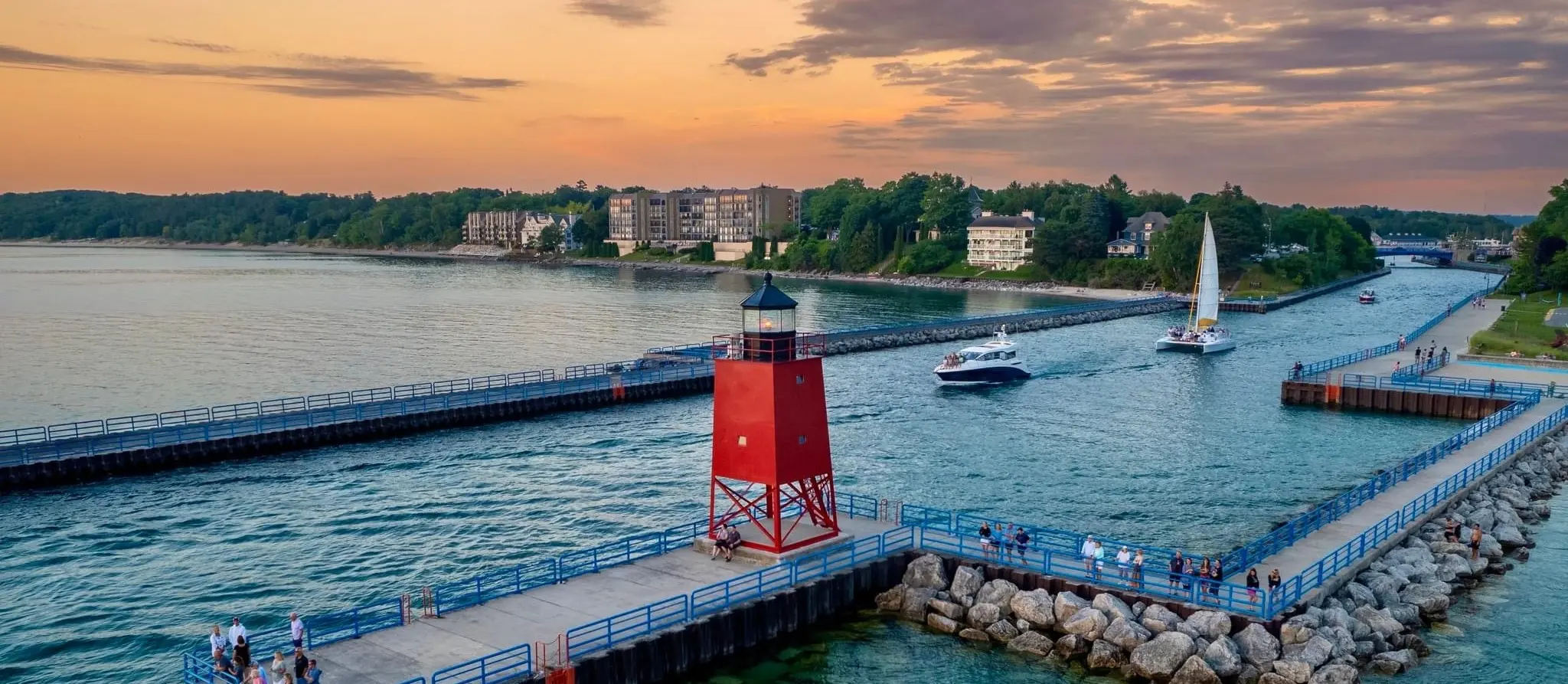
Cruising the open waters of Northern Michigan offers unmatched freedom and scenery, but navigating a Great Lake requires preparation and respect for the water. Lake Michigan is famous for its beauty, yet its vast size means conditions can shift rapidly. Whether you are heading out from Charlevoix for a day of offshore fishing or relaxing near the shoreline, safety must always come first.
As your trusted marine partner in the region, our team wants to ensure every voyage is both memorable and secure. By keeping a few essential practices in mind, you can confidently explore everything our beautiful coastline has to offer.
Understand the Unique Power of Lake Michigan
Operating a vessel on Lake Michigan is very different from navigating a small inland lake. Because of its depth and geographic orientation, this body of water can generate sudden wave patterns and strong currents that challenge even experienced captains.
Track Local Weather Forecasts Closely
The weather in the Traverse City and Petoskey areas can change without warning. Before unhooking from the dock, check specialized marine forecasts rather than standard commercial weather applications. Pay close attention to wind speed, wind direction, and wave height predictions. A shift in wind direction can quickly turn a calm morning into a choppy, challenging afternoon. If dark clouds accumulate or the wind suddenly kicks up, play it safe and head back toward the shelter of Round Lake or the nearest harbor.
Recognize the Impact of Great Lakes Chop
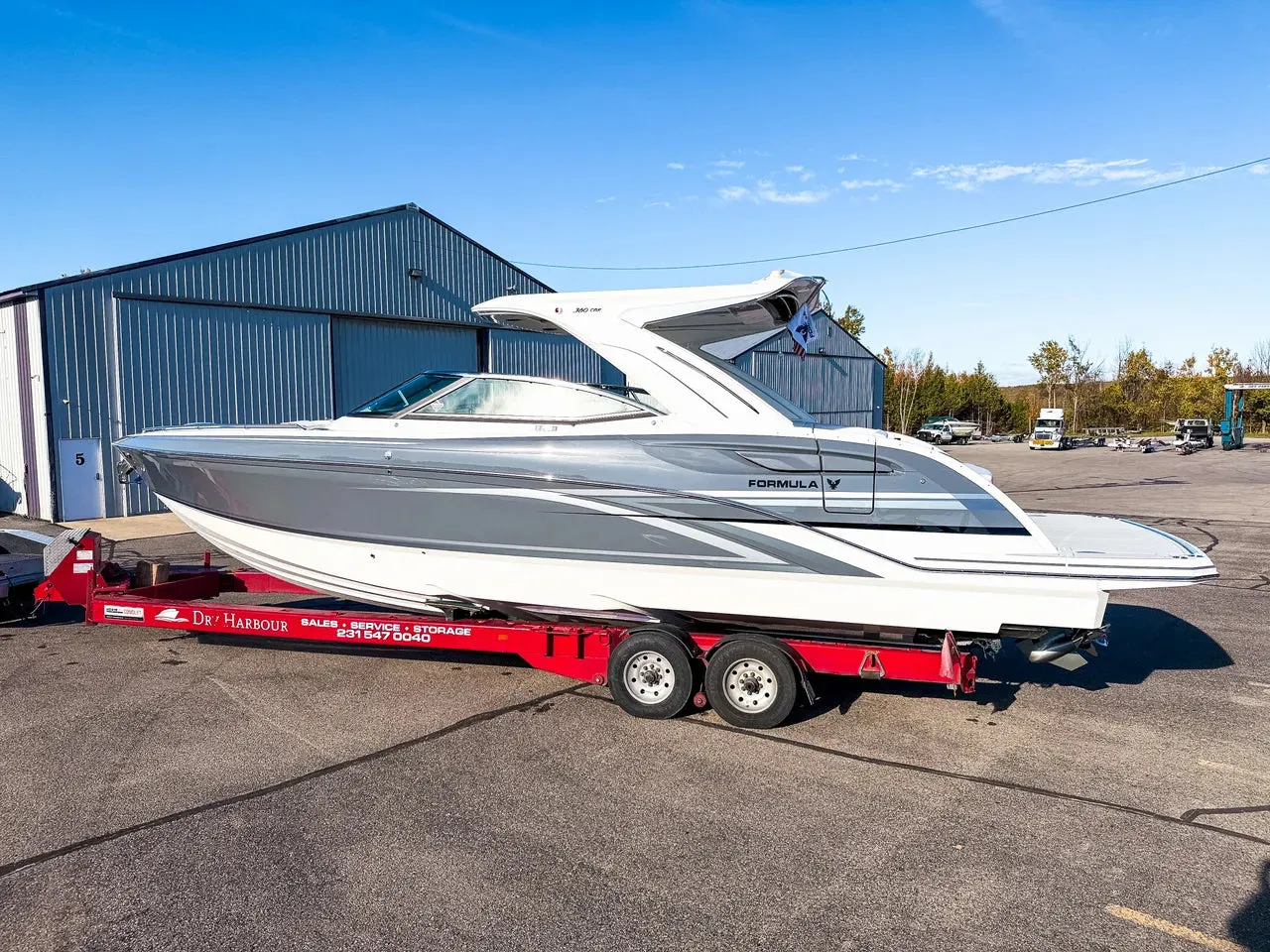
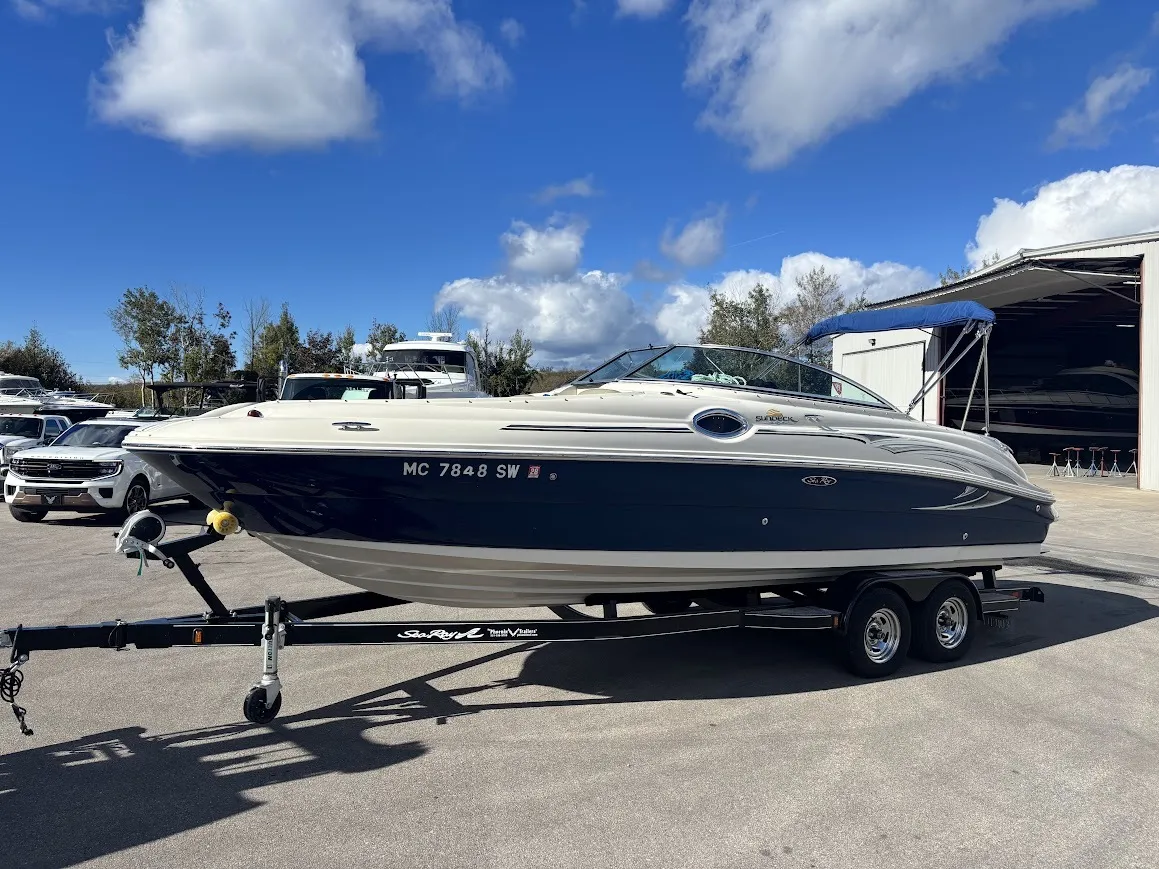
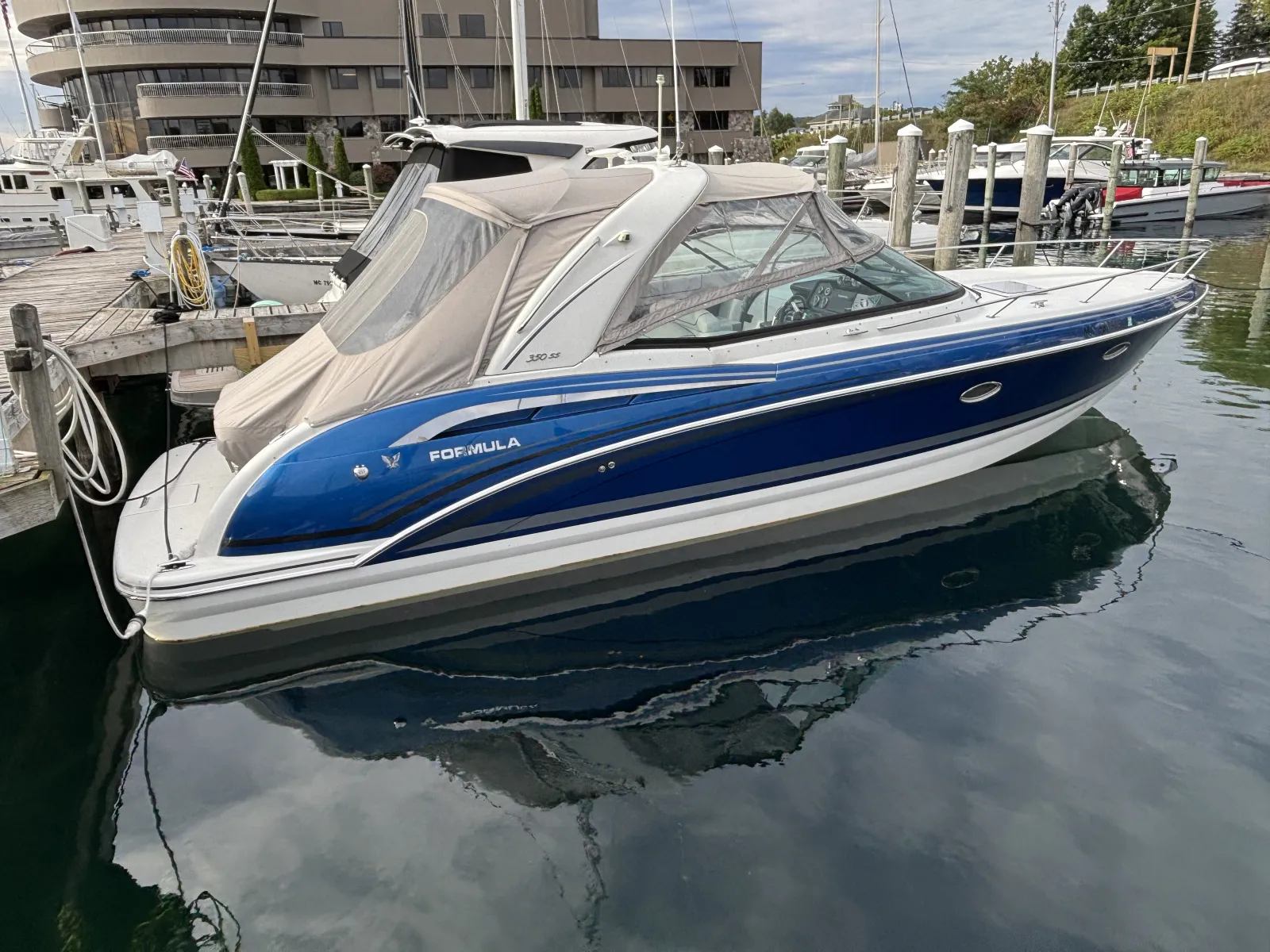
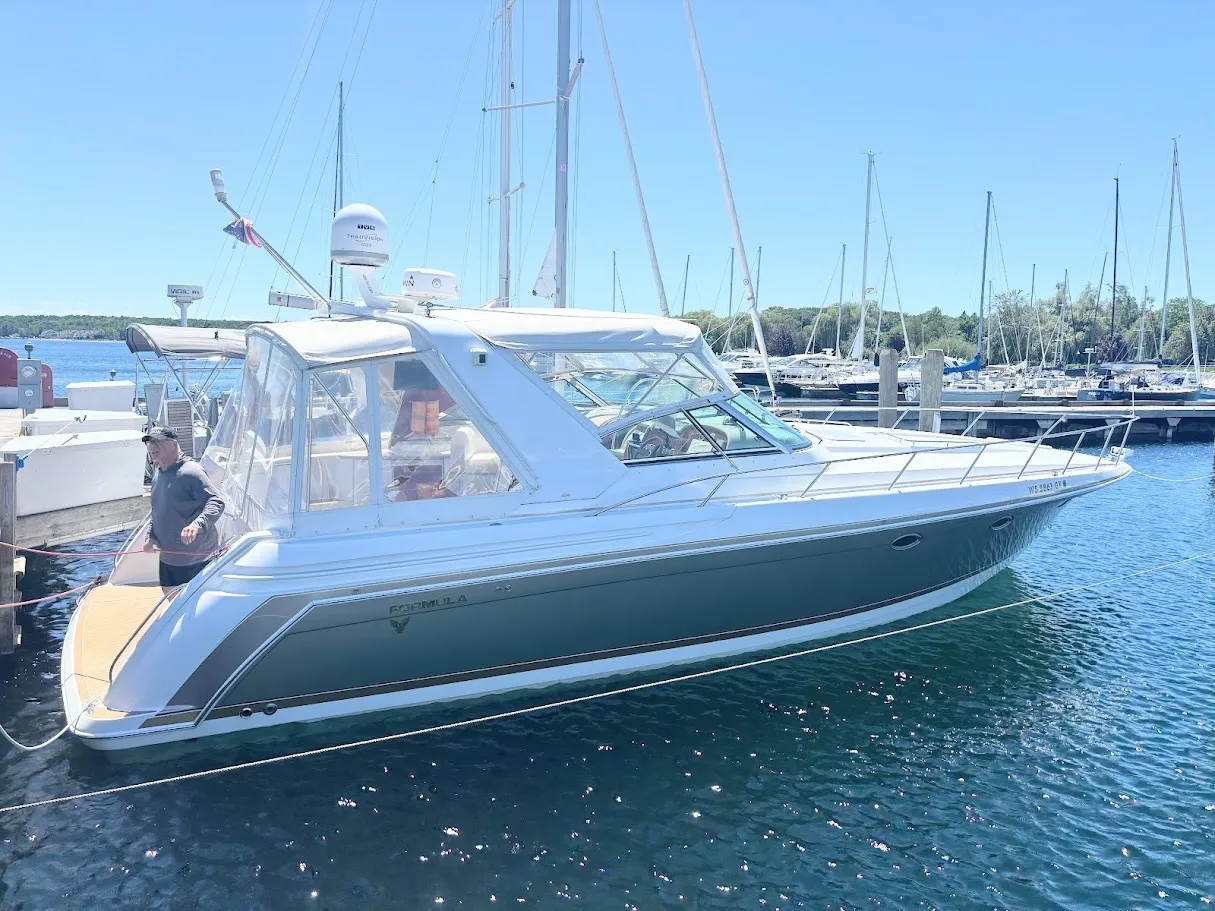
Unlike ocean swells that have long gaps between waves, Great Lakes waves tend to be short, steep, and tightly spaced. This chop can put a significant strain on both your passengers and your vessel. Having a boat designed for these conditions makes a massive difference in comfort and safety. If you are looking for a vessel with a deep-V hull built to slice through rough water cleanly, you can browse our current inventory to find offshore options like Everglades center consoles or premium Formula bowriders.
Equipping Your Boat for Safety Success
Preparation begins long before your hull touches the water. Ensuring you have the proper gear on board is a legal obligation and your primary line of defense in an emergency.
Carry Certified Life Jackets for Everyone
- Proper Sizing: You must have a properly fitted, Coast Guard-approved life jacket for every single passenger on board.
- Accessibility: Life jackets should never be locked away in a deep storage locker or kept in their original plastic packaging. They need to be easily accessible in a moment's notice.
- Wear Them: We highly recommend that children and non-swimmers wear their life jackets at all times while the vessel is underway.
Maintain a Complete Safety Toolkit
- Communication Devices: Marine VHF radios are essential for calling the Coast Guard or local marine patrols if you lose cell phone reception.
- Visual Distress Signals: Keep current, unexpired flares and signaling flags in a waterproof container.
- Fire Extinguishers: Ensure your marine-grade fire extinguishers are fully charged and mounted in accessible locations.
- Sound-Producing Tools: A whistle or an air horn is required to signal your presence in heavy fog or low visibility.
Essential On-Water Navigation and Etiquette
Sharing the water responsibly ensures that everyone around Harbor Springs, Boyne City, and East Jordan can enjoy their time safely.
Practice Constant Situational Awareness
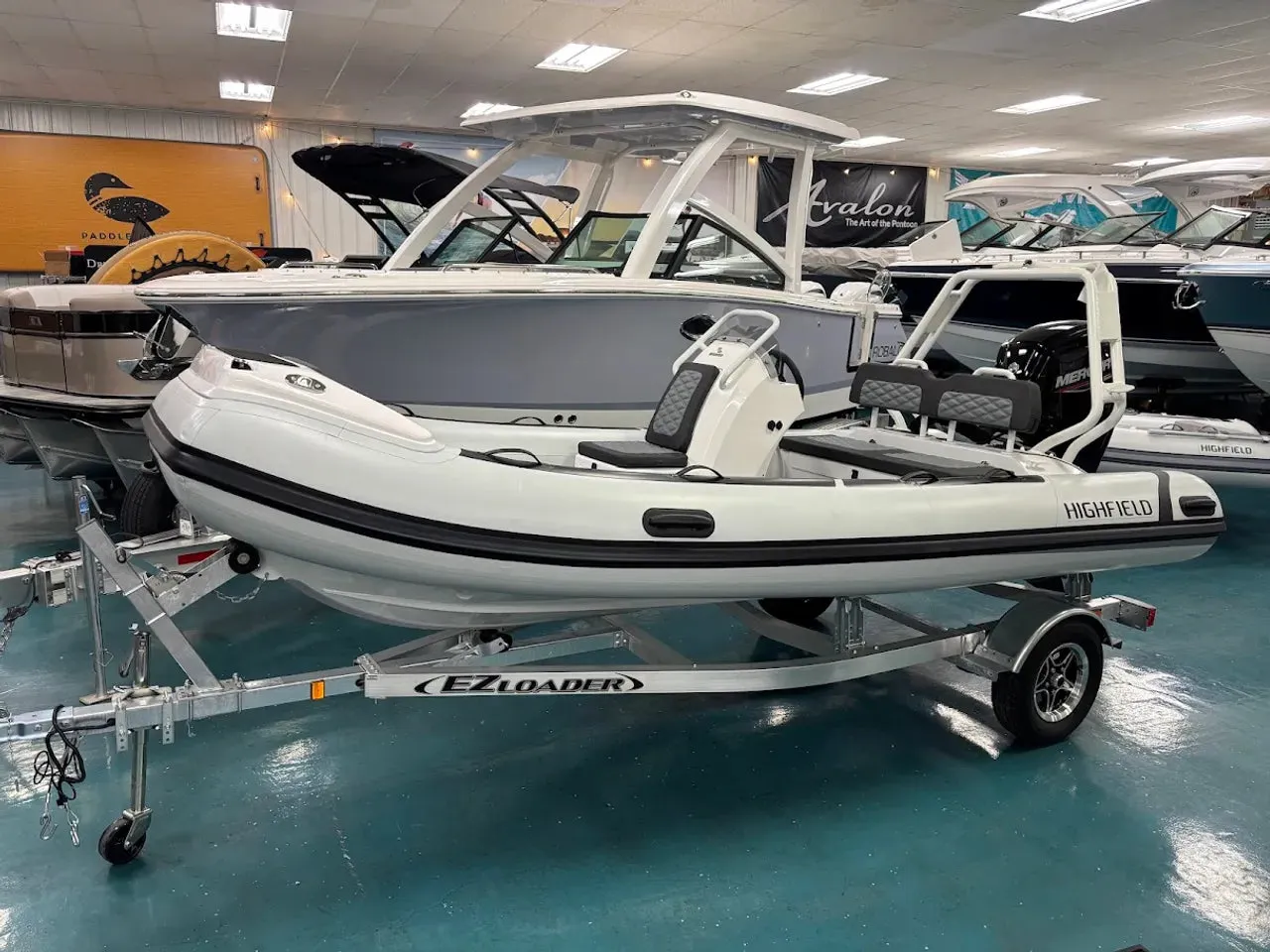
Designate a dedicated lookout whenever you are underway. Distractions from cell phones, stereo systems, or conversations can lead to dangerous situations. Keep a sharp eye out for kayakers, paddleboarders, swimmer zones, and hidden sandbars. If you are operating a large luxury pontoon from Avalon or a swift Highfield rigid inflatable tender, maintaining a safe distance from smaller watercraft is a vital courtesy.
Manage Your Speed Based on Conditions
Speed limits are not just for narrow channels and no-wake zones. When visibility drops due to afternoon fog, or when the water gets rough, reduce your speed immediately. Operating at a moderate pace gives you more time to react to floating debris or sudden waves, protecting your hull and keeping your passengers secure.
Prepare Your Vessel Professionally Before Launching
A breakdown on Lake Michigan can quickly escalate into a serious safety hazard. Regular mechanical upkeep is the single best way to prevent unexpected issues while miles away from the shoreline.
Conduct a Pre-Departure Mechanical Checklist
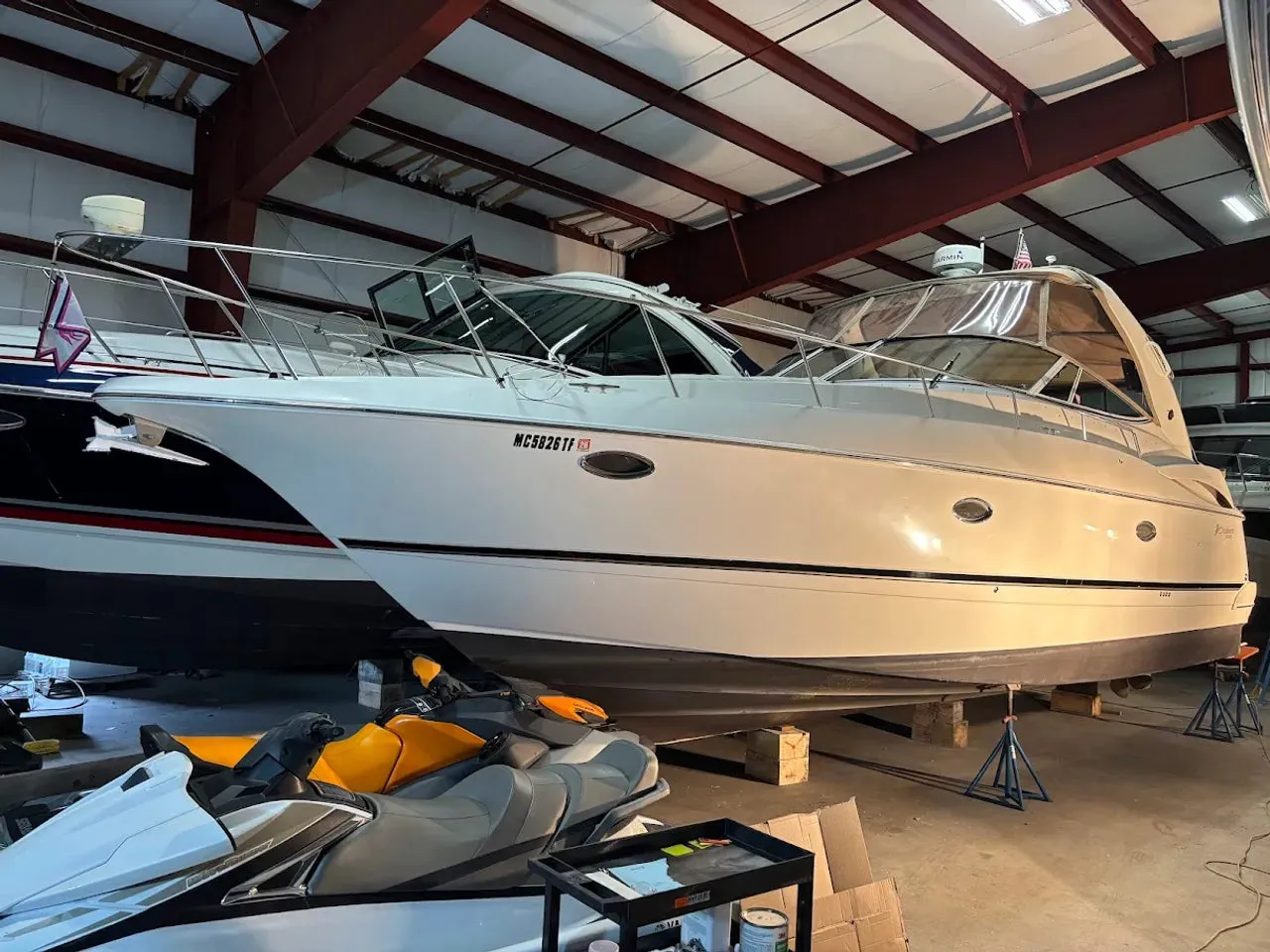
Before every trip, check your engine oil levels, fuel levels, battery charge, and bilge pump operation. If you notice any unusual fluid leaks or strange engine noises, it is always best to diagnose them before leaving the dock. To make sure your vessel is running in peak condition all season long, you can schedule your service appointment with our certified technicians who specialize in keeping your propulsion systems reliable.
Plan for Long-Term Storage and Care
The harsh shifts in Northern Michigan seasons mean that proper winterization and storage are critical to preventing structural or mechanical failure the following spring. Protecting your investment from freezing temperatures preserves the integrity of your hull and electrical systems. You can learn about our secure winterization packages and explore our financing options if you are considering upgrading to a newer, more reliable model for the upcoming boating season.
Lake Michigan Boating Safety FAQs
What should I do if my boat gets caught in rough water on Lake Michigan?
Angling your bow at a 45-degree angle into the waves rather than taking them head-on or broadside will provide better stability. Keep your passengers low, seated, and wearing life jackets. Slowly make your way toward the nearest safe harbor or protected shoreline.
Do I need a specific type of boat to go out on Lake Michigan?
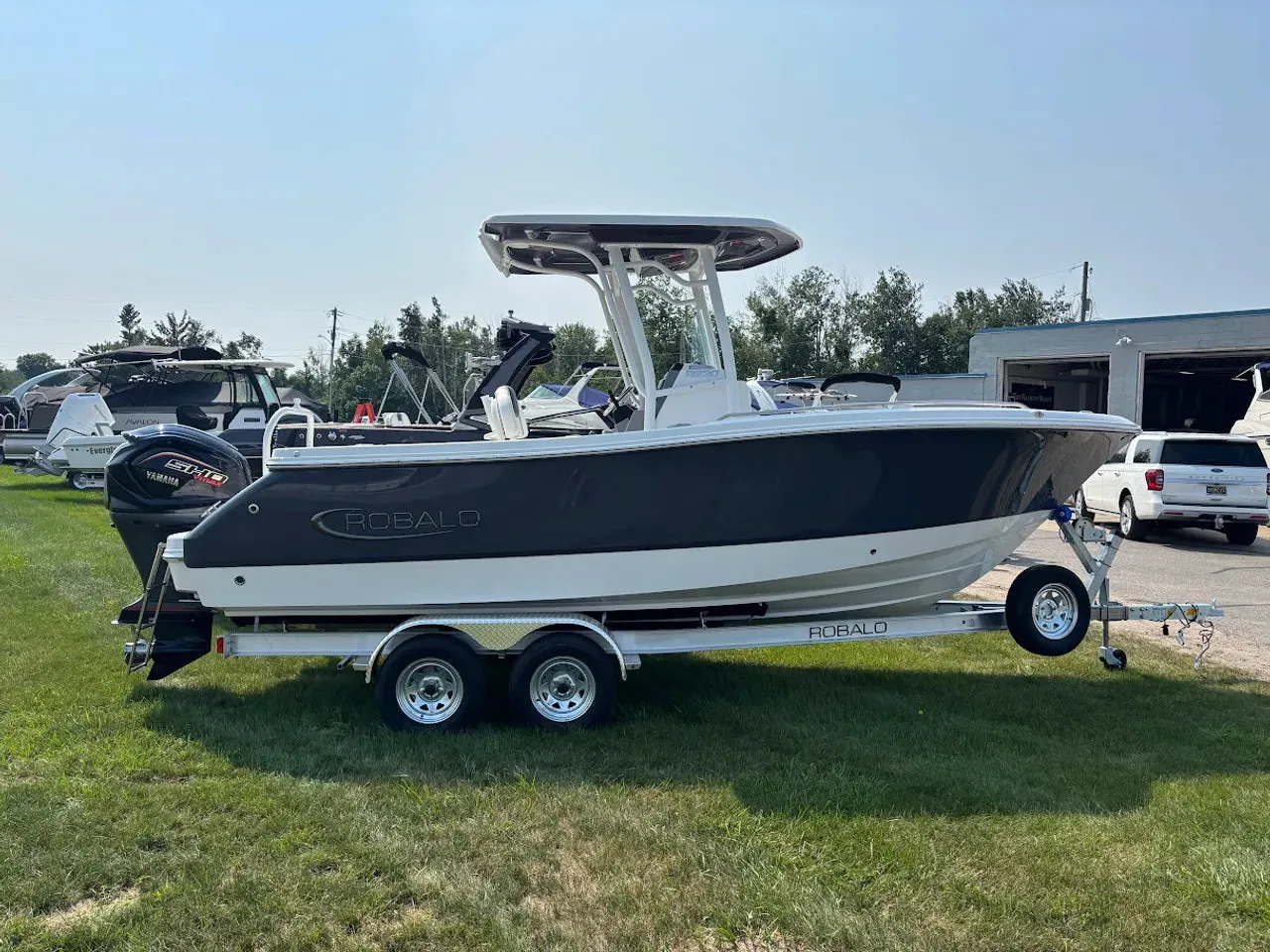
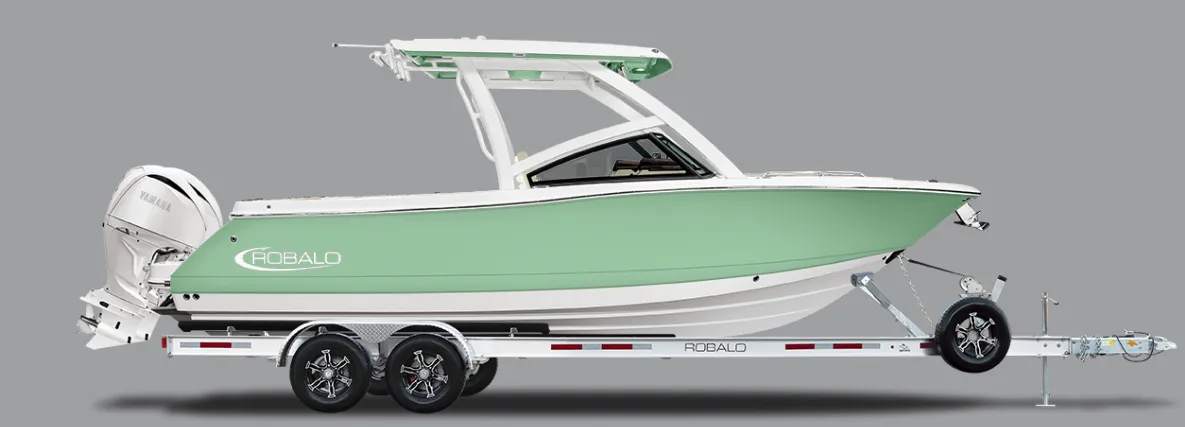
While smaller vessels can enjoy calm days close to shore, larger vessels with deeper hulls and higher freeboards are highly recommended for navigating the open waters of the Great Lakes safely. Rugged hulls from brands like Robalo or stable, multi-log configurations are preferred for handling changing lake conditions.
Where can I get my boat safety gear inspected near Charlevoix?
Our team can help you audit your onboard gear to ensure compliance with local regulations. If you need assistance valuing an older boat to transition into an offshore-ready vessel, you can get your trade-in value online to start the process.
Ready to Explore the Great Lakes with Confidence?
Boating on Lake Michigan is an incredible privilege, and matching your skills with the right vessel ensures a lifetime of safe adventures. If you want to view available models in stock or need expert advice on the best safety upgrades for your current boat, stop by our showroom on U.S. 31 South. You can contact us today to speak with our local marine experts and get ready for your next safe journey out on the water.